
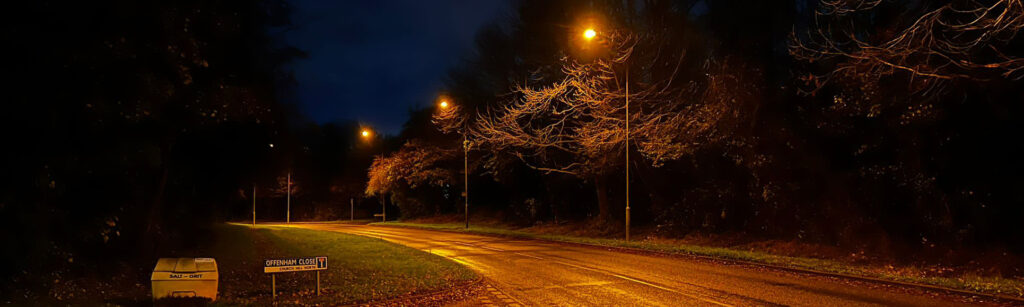
Ecologically Sensitive Areas
How to light ecologically sensitive areas
A practical guide to achieving Dark Sky-compliant lighting that balances performance, safety, and ecological protection.
Across the UK and beyond, lighting engineers are being challenged to deliver schemes that illuminate responsibly, safeguarding both people and the planet. Designing for ecology is no longer an optional consideration; it is an integral part of outdoor professional lighting practice.
It’s important to understand that Dark Sky and ecological lighting are related but distinct.
Dark Sky design focuses on controlling upward light, glare, and skyglow to protect the natural night sky.
Ecological lighting, meanwhile, seeks to minimise disruption to wildlife and ecosystems through careful control of spectrum, intensity, and timing.
While their goals differ, their methods often align. Both depend on precise optical control, adaptive dimming, and appropriate colour temperatures to achieve safe and sustainable illumination. The most successful designs recognise where these two approaches overlap and where their requirements diverge.
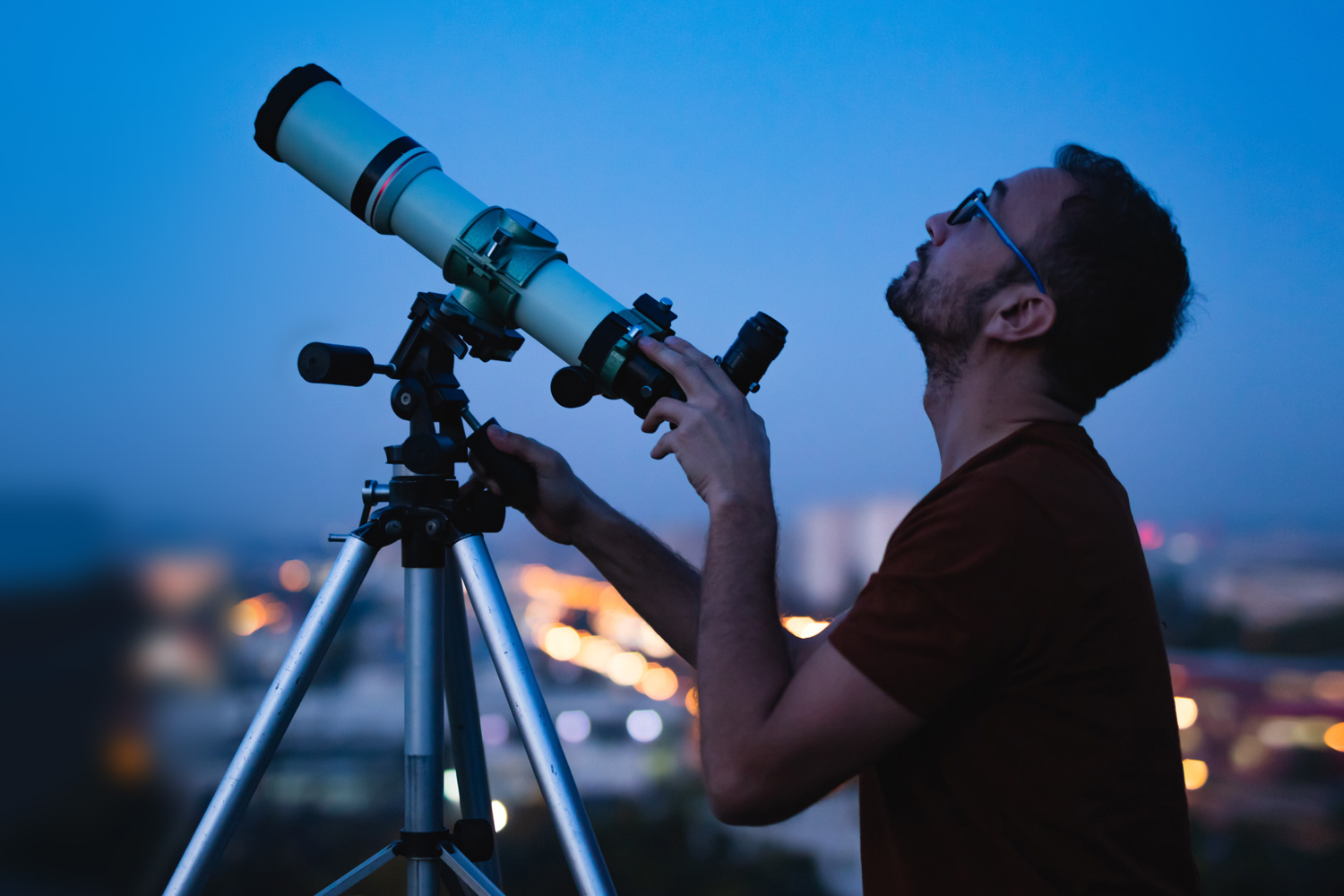
Standards and Guidance
Lighting for ecology and Dark Sky compliance sits within an evolving framework of standards and guidance.
Key references include:
ILP Guidance Note 08/23 – Bats and Artificial Lighting in the UK, offering best practice for luminaires near sensitive habitats.
BS 5489-1:2020 and BS EN 13201 – defining appropriate luminance and uniformity for human users.
DarkSky International – global principles for minimising skyglow and obtrusive light.
Balancing these guidelines in real-world applications requires engineering judgement. A compliant design must meet visibility and safety standards for people while avoiding unnecessary exposure or disturbance for wildlife.
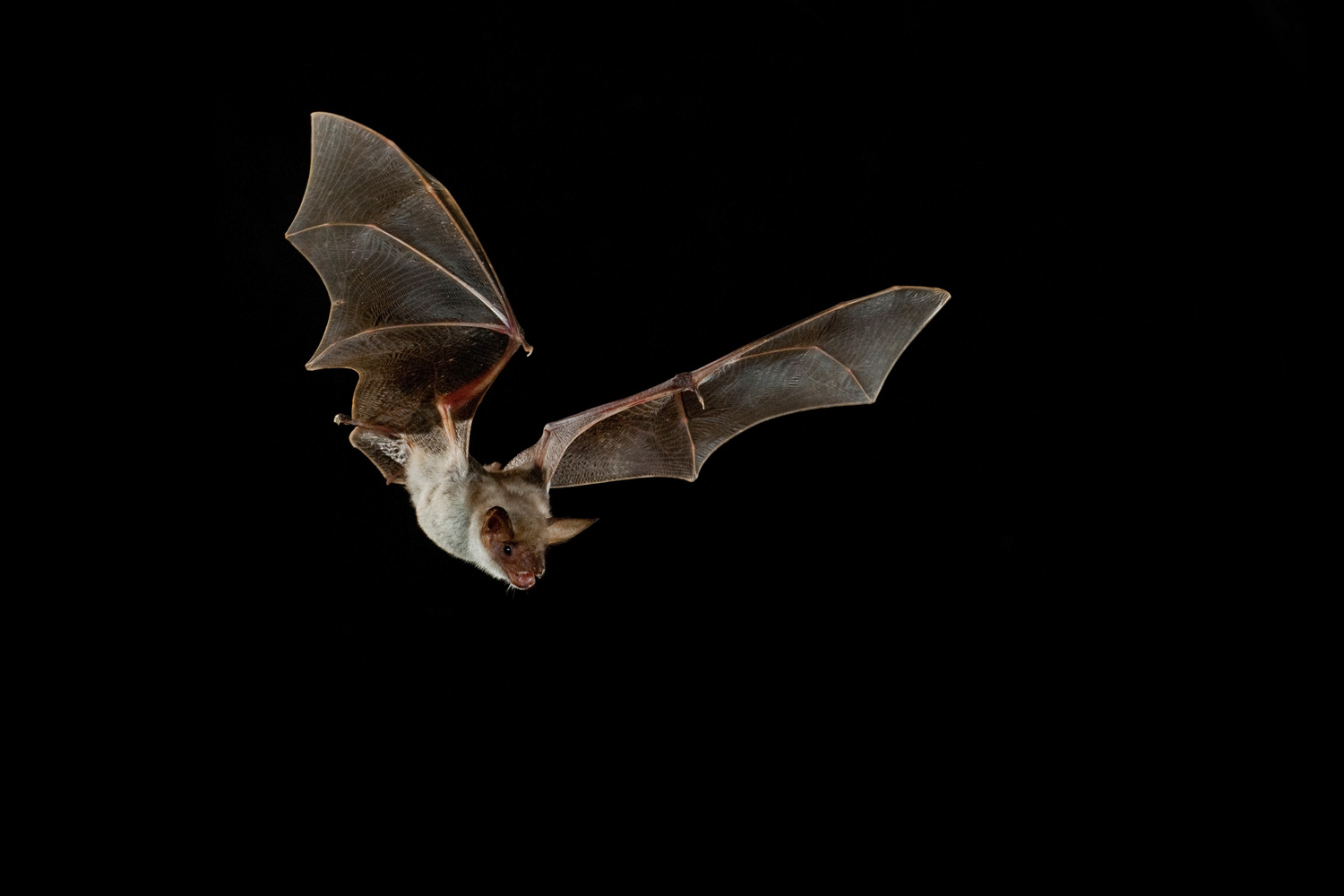
Key Design Considerations
Spectrum and Colour Temperature
Narrow-spectrum light sources such as PC Amber LEDs reduce attraction and disorientation for bats, birds, and invertebrates. By limiting blue-green wavelengths, they also help maintain circadian stability for humans. In urban contexts, DarkSky International recommends warm white light (≤3000K) may be more appropriate when paired with precision optics; while GN08 advises using 2700K or warmer.
Optical Control
Well-defined optical distribution ensures that light is directed only where it’s needed. Tightly controlled optics, shields, and careful mounting angles reduce spill into adjacent habitats and skies. Shielded photometry for TRT lanterns is available on Lighting Reality or by contacting us on photometry@trtlighting.co.uk.
Adaptive Control
Smart controls, dimming schedules, and motion sensors (supported by our Lumi-LinQ wireless exterior lighting control system) allow lights to operate responsively, increasing safety when required, reducing energy and ecological impact when not.
Illuminance and Duration
For ecological zones, the ILP recommends maintaining the lowest practicable illuminance levels and limiting operation to periods of genuine use. Reducing duration is as important as reducing intensity.
Lessons from the Field
Presteigne, Wales
DarkSky International’s first Dark Sky Community in Wales and mainland England–compliant street lighting scheme combined optical precision, 2200K colour temperature, and adaptive dimming to protect local bat populations while meeting community safety needs. The project demonstrated how early consultation and tailored design can achieve Dark Sky certification without compromise.

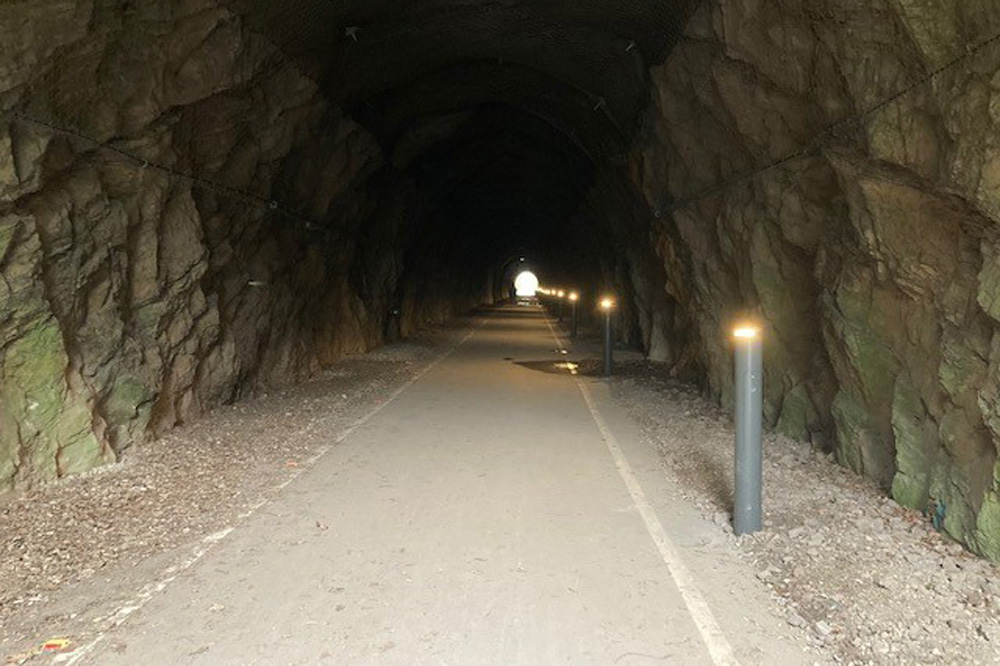
Shute Shelve Tunnel, Somerset
A disused railway tunnel repurposed as a cycle route presented significant ecological challenges. The tunnel serves as a roosting site for protected bats such as the Lesser Horseshoe bat, meaning illumination was permitted only during daylight hours. TRT developed a reverse-switching photocell system and shielded optics to maintain daytime visibility while ensuring the tunnel remained unlit at night. The result balanced safety and ecological protection through innovation and restraint.
Papermill Drive, Redditch
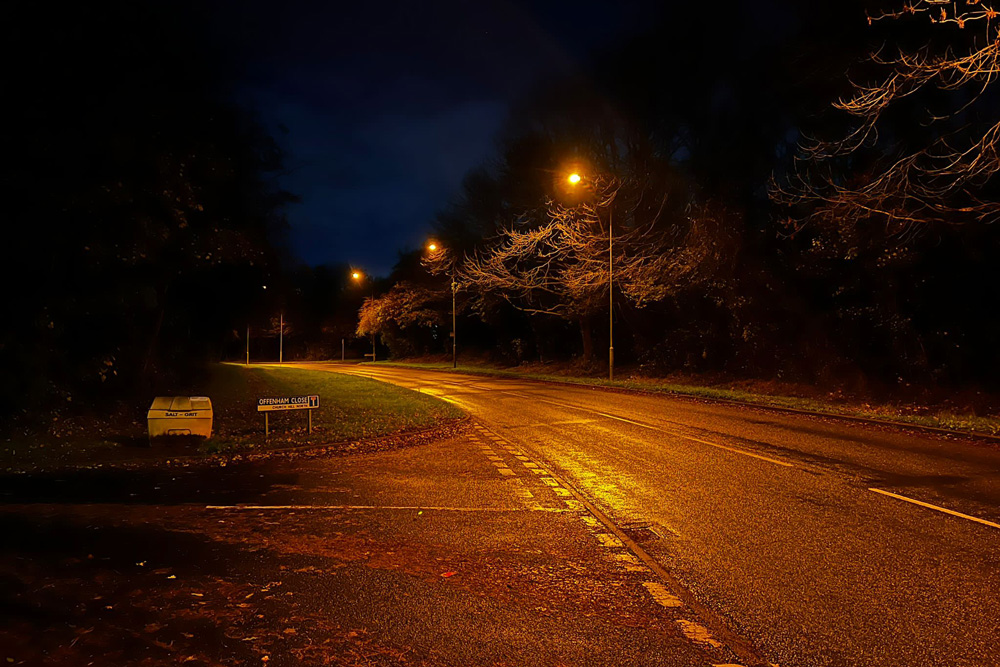
In an urban setting, PC Amber luminaires provided comfortable, distinctive lighting while avoiding over-illumination. Optimised spacing and output achieved both economic and ecological benefits, proving that sustainable design principles extend beyond rural environments.
Lessons Learned
- Collaboration is Critical
Engage early with ecologists, planners, and clients to align objectives and avoid conflicts between safety and environmental needs. - Small Adjustments Matter
Reducing tilt, adjusting height, or refining optics can significantly lower ecological impact without affecting performance. - Controls Are Key
Dimming, motion detection, and scheduling make luminaires responsive, reducing energy and wildlife disturbance. - Context Determines Spectrum
PC Amber performs best in sensitive habitats, while warmer white light may suit built environments with strong shielding. - Compliance Is Evolving
Use ILP GN08/23 and BS 5489-1:2020 dynamically — apply professional judgement to achieve balance between people and nature.
Engineering with Purpose
Lighting contributes around 5% of global greenhouse gas emissions (UNFCCC, Momentum for Change: en.lighten Initiative), but it also represents one of the clearest opportunities for improvement. Every reduction in waste light saves energy and helps restore the natural balance of night-time environments.
Responsible design is not about turning lights off, it’s about lighting smarter.
Through precise engineering, appropriate spectrum selection, and adaptive control, we can deliver lighting that performs brilliantly for people while quietly protecting the ecosystems around them.
Lighting for Protection
As lighting professionals, our responsibility extends beyond visibility. By combining precise engineering with ecological awareness, we can create environments that are safe, efficient, and sustainable ensuring that light continues to serve both people and the planet.
Explore more technical insights and case studies at https://www.trtlighting.co.uk/news/
References
- United Nations Framework Convention on Climate Change (UNFCCC). Momentum for Change: en.lighten Initiative. unfccc.int
- Bat Conservation Trust. Why Bats Matter: Bats as Indicators of Biodiversity. bats.org.uk
- Bat Conservation Trust. Bats as Pollinators. bats.org.uk
- Institution of Lighting Professionals (ILP). Guidance Note 08/23 – Bats and Artificial Lighting in the UK
- British Standards Institution (BSI), BS 5489-1:2020 and BS EN 13201.